Why Programmatic DOOH Is Effective Non-intrusive Advertising
In a digital environment saturated with ads that interrupt and overwhelm users, brands are prioritizing channels that communicate effectively without being invasive. In this context, programmatic digital out-of-home advertising (pDOOH) stands out as a less intrusive way to connect with consumers.
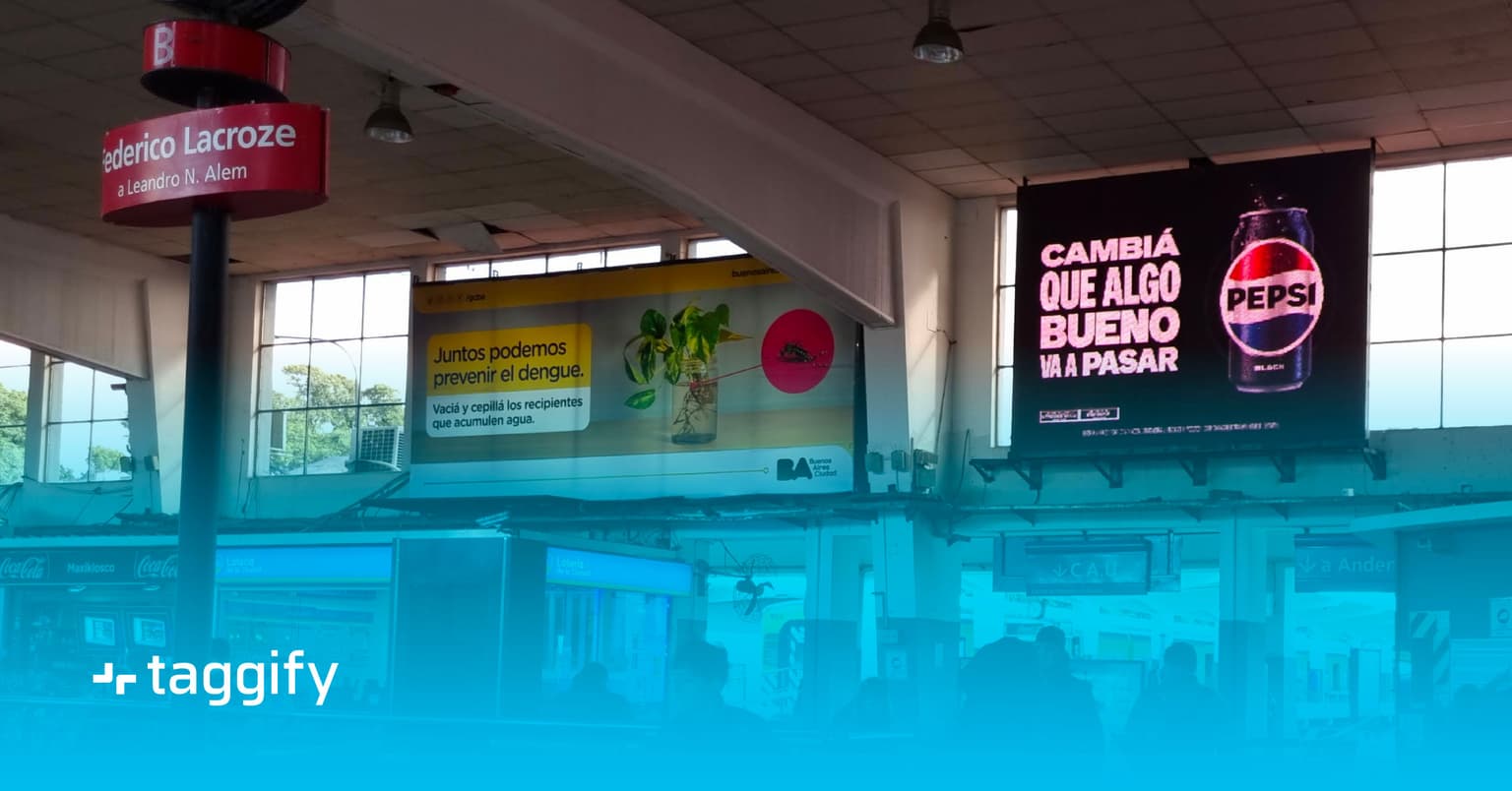
Natural Integration into Urban Spaces
Programmatic pDOOH campaigns appear on digital screens strategically placed in high-traffic public spaces such as transit stations, shopping centers, and busy streets. Because these ads don’t interrupt personal activities or require direct interaction, they coexist with people’s daily routines, achieving effective presence without being intrusive.
Contextual Targeting Without Invading Privacy
Unlike traditional digital advertising, which often relies on collecting personal data, pDOOH uses contextual signals—like location, weather, day of the week, or time—to tailor messages. This approach allows for audience segmentation without compromising privacy, strengthening the relationship between brands and consumers.
Dynamic and Engaging Content
One of pDOOH’s greatest advantages is its ability to update content in real time, adapting messages to different contexts and audiences. This dynamism avoids excessive repetition—one of the main sources of annoyance in other formats—and maintains audience interest with relevant, visually compelling, and high-impact ads.
Positive Perception Among the Public
Multiple studies confirm that, unlike online ads or TV spots that disrupt the user experience, out-of-home advertising blends naturally into the urban environment. It's not only less annoying, but it also generates higher recall and can positively influence purchase decisions.
Conclusion
In 2025, programmatic digital out-of-home advertising (pDOOH) is the least disruptive advertising format, making it a valuable communication tool without damaging the user experience. Its seamless integration with the environment, non-intrusive targeting, and relevant content make it an ideal solution to enhance the customer experience and maximize return on investment (ROI).
Contact us and let your brand unlock the full potential of programmatic out-of-home advertising.
More ideas for programmatic DOOH teams
Continue with practical reads on audience intelligence, inventory strategy and measurable real-world media.

Audiences don’t live in a prompt
AI can interpret a brief, but understanding an audience in the physical world requires data, signals and measurement models. Metrica connects intent with actionable evidence for programmatic DOOH.

Automation in Outdoor Advertising: How Programmatic Drives Efficiency and Simplifies Processes
Traditional out-of-home (OOH) advertising has historically been one of the most powerful and accessible channels in the advertising ecosystem. However, launching a campaign on the street used to involve a lengthy process: phone calls, email chains, lengthy negotiations, and little flexibility for optimization. Today, thanks to automation and programmatic buying (pDOOH), out-of-home advertising has evolved. We explore how pDOOH enables advertisers to plan, launch, and optimize campaigns in minutes through automation, cost efficiency, and actionable data.

pDOOH: Building Brand Trust in a Saturated Environment
Trust is one of the most decisive assets for brands. It is not just an intangible value: it is the reason consumers choose a brand and are willing to pay more for its products. In a context where attention is scarce and advertising credibility is being questioned, Programmatic Out-of-Home Advertising is an effective medium for strengthening the relationship between brands and people.